California’s climate varies widely, from the cool coastal fog to the hot inland valleys, so HVAC installation starts with correctly sizing, placing, and professionally installing an air conditioning system for your home’s layout, square footage, and cooling demands. If you’re a California homeowner planning to install or replace AC, choosing the right system isn’t just about picking the most powerful unit. For a detailed breakdown of what to look for, check out our California AC installation guide.
The right setup depends on your home’s size, layout, local climate, and the type of system that fits best, whether that’s central air, ductless, or a hybrid option. This guide walks through cooling needs, energy efficiency, system sizing and placement, what happens during installation, the value of professional work, added comfort features, and maintenance tips so you can avoid higher energy bills, uneven cooling, and short system life. With California’s varied weather and energy requirements, careful planning matters if you want efficient, reliable cooling tailored to your home.
Introduction to Air Conditioning Systems
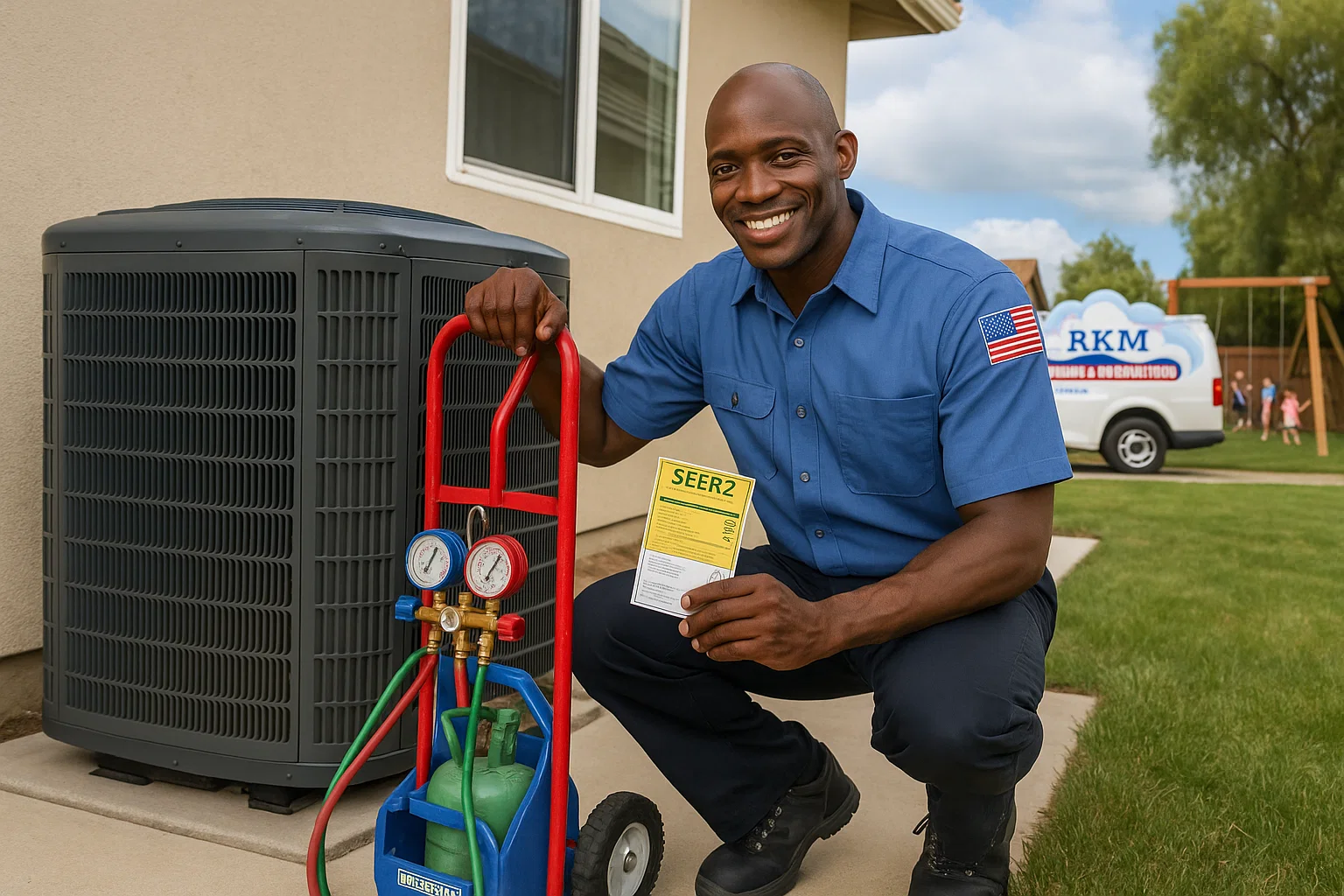
Air conditioning systems are essential for maintaining comfort and cool air in California homes, especially during the hottest months. At the heart of every air conditioning system are two main components: the outdoor unit, often called the condenser unit, and the indoor unit, known as the air handler. The outdoor unit works to expel hot air from your home, while the indoor unit circulates cool air throughout your living spaces.
Proper installation of your new air conditioning system is crucial to ensure optimal performance, energy efficiency, and system longevity, and in California, that work should be handled by a licensed HVAC professional. When installed correctly, an air conditioning system not only delivers reliable cooling but also helps keep energy costs in check and extends the life of your investment. Improper HVAC installation can also void manufacturer warranties. Whether you’re upgrading an old system or installing a new air conditioning system for the first time, focusing on proper installation will help you enjoy efficient, comfortable air conditioning for years to come, and a properly installed new HVAC system can reduce energy bills by 20-50%.
Understand Your Home’s Cooling Needs
The first step in choosing the right AC system is understanding your home’s cooling requirements, especially if you’re dealing with uneven temperatures that suggest your home’s cooling needs aren’t being met. This depends primarily on the size and layout of your house.
- Square footage: Larger homes need systems with higher cooling capacity, measured in BTUs (British Thermal Units) or tons. Oversized units waste energy cycling on and off too frequently, while undersized units struggle to cool the space adequately.
- Number of rooms and stories: Multi-story homes and layouts with many rooms or open floor plans affect how cool air circulates. Some rooms might get more sun exposure, increasing their cooling load. The location of the air conditioning unit is crucial, strategic placement considering sun exposure, wind patterns, and environmental conditions will optimize cooling performance and efficiency.
- Insulation and windows: Well-insulated homes with energy-efficient windows retain cool air better, reducing the size and power of AC required.
One of our professional HVAC technicians can perform a load calculation to determine your home’s precise cooling needs, ensuring you get a system that is properly sized for optimal comfort and efficiency. If you’re considering a replacement, our AC replacement guide here explains when and why an upgrade might be the best option.
Additionally, the selected air conditioner should be evaluated for how it will integrate with or supplement your existing system to maximize overall home comfort.
Understanding Air Conditioning Components
To get the most out of your air conditioning system, it’s important to understand the key components that make it work. The outdoor condenser unit is the powerhouse, compressing and condensing refrigerant to release heat outside. Inside your home, the indoor unit distributes cool air, ensuring every corner of your space stays comfortable. Connecting these two units are refrigerant lines and copper pipes, which transport the refrigerant between the indoor and outdoor units, while electrical wiring powers the entire system.
Proper sizing of your air conditioning system is essential for efficient cooling. For example, a window AC unit is designed to cool a specific room size, choosing the wrong size can lead to inefficient cooling and higher energy bills. If the unit is too small, it will struggle to keep up; if it’s too large, it may cycle on and off too frequently, wasting energy. Understanding these components and their roles helps ensure your air conditioning system is installed correctly and operates at peak efficiency.
Choose Between Central AC, Ductless, or Hybrid Systems
California homeowners have several options to consider:
- Central air conditioning: This is the most common choice for whole-home cooling. It uses a system of ducts to distribute cooled air evenly throughout your home. Ideal for homes with existing ductwork, central AC provides consistent temperatures and can be paired with advanced thermostats for energy savings. Central AC installation costs range from $3,000 to $15,000.
- Ductless mini-split systems: Perfect for homes without ducts or for room additions, ductless systems provide targeted cooling with individual indoor units. They offer great flexibility, allowing you to cool only occupied rooms, which can save energy and money. Another cost-effective and easy-to-install option is a window ac unit, which provides immediate relief from heat and is especially suitable for beginners or smaller spaces. Ductless mini split systems cost between $2,000 and $10,500 to install.
- Hybrid or zoned systems: Combining central AC with zone control technology lets you adjust temperatures in different parts of your home independently. This is especially useful for larger homes with varying cooling needs between floors or wings. Some homeowners also compare heat pumps, with installation costs ranging from $6,000 to $25,000.
Geothermal heat pump installation is another option with a higher upfront cost, typically between $12,000 and $45,000.
Consider Energy Efficiency and Environmental Impact
California places strong emphasis on energy efficiency and environmental sustainability. Replacing older air conditioning units with newer, more energy-efficient models can significantly reduce energy consumption and minimize environmental impact. Look for units with high SEER2 (Seasonal Energy Efficiency Ratio) ratings; higher numbers mean better efficiency and lower energy bills. Local utility incentives and rebates can help offset hvac installation costs and support options that fit your budget. To understand why installation quality also impacts efficiency, see our post on proper AC installation tips. The state also encourages using refrigerants with lower global warming potential, such as R-410A. In California’s moderate winters, high-efficiency electric heat pumps can be more efficient than traditional systems.
Investing in an Energy Star-certified AC system ensures compliance with California’s regulations and helps reduce your carbon footprint.
System Sizing and Placement: Ensuring the Perfect Fit for Your Home
Choosing the right air conditioning system for your California home goes beyond selecting a model, it’s about ensuring the system is perfectly sized and strategically placed for maximum efficiency and comfort. Proper sizing and placement are key to delivering cool air evenly throughout your space, maintaining optimal system performance, and keeping energy bills in check.
Start by accurately measuring the room size or the total square footage of the area you want to cool. Employing a Manual J load calculation is preferred over square-footage estimates for accurate unit sizing in Riverside and for choosing the right system size for your home. This measurement is crucial for determining the correct BTU rating for your new air conditioner or window air conditioner. A unit that’s too small will struggle to keep up on hot days, while an oversized system may cycle on and off too frequently, leading to higher energy bills and unnecessary wear. Matching BTU capacity to the home also depends on proper system size. A too large air conditioning unit will not eliminate enough humidity from the room, leading to damp air. Don’t forget to factor in insulation quality, ceiling height, and whether the space receives direct sunlight or is shaded, these elements can significantly impact cooling efficiency.
Placement of your air conditioning system is just as important as sizing. For indoor units, position them where cool air can circulate freely and avoid locations near heat sources like ovens or fireplaces, which can interfere with proper functioning. The indoor unit should be mounted approximately 7 feet off the floor for optimal air distribution. Ensure there’s enough clearance, typically 12 to 18 inches, around the unit for proper airflow and easy maintenance. For window AC units, make sure the window and surrounding wall are structurally sound to support the weight, and use mounting brackets if needed for a secure installation.
When it comes to the outdoor condenser unit, select a level, stable spot away from debris, direct sunlight, and potential water accumulation. Outdoor condensers should ideally be installed on the north or east side of a home to maintain airflow and efficiency. Installing the condenser unit on a concrete pad or a dedicated mounting platform helps prevent shifting and protects the system from damage. Adequate space around the outdoor unit is essential for ventilation and to allow for efficient cooling.
Proper installation is critical for system longevity and reliable cooling. A professional HVAC technician will ensure all electrical connections, refrigerant lines, and copper pipes are connected safely and securely, performing the necessary electrical work to minimize the risk of air leaks and ensure optimal performance. They will create precise, leak-free refrigerant connections during installation to maintain system integrity. A vacuum pump should be used to remove air and moisture from the refrigerant lines before charging the system with refrigerant, which is essential for optimal performance. They’ll also verify that the installation process complies with local building codes, and licensed contractors must obtain the required permits for HVAC installations. With California home service standards supported by over 35,000 certified HVAC technicians, it’s still smart to choose experienced technicians for the job and ensure proper functioning of the entire system.
By taking a meticulous approach to system sizing and placement, you can ensure your new air conditioning system delivers efficient cooling, reduces the risk of higher energy bills, and provides years of dependable comfort. If you’re unsure about any aspect of the installation process, don’t hesitate to consult a professional, getting it right the first time will help you enjoy a cool, comfortable home all summer long.
Installation Process
The installation process for an air conditioning system involves several critical steps to help complete the work safely and efficiently while ensuring reliable operation. It begins with site preparation, where the best location for the outdoor unit is determined to maximize airflow and minimize exposure to debris or direct sunlight, and where old equipment is removed when a full replacement is needed. The installation team will also inspect the site to ensure that all electrical wiring and connections comply with local building codes.
Next, if it makes more sense to replace an aging unit, the team handles that transition carefully before installing the new indoor unit in a location that allows for optimal air distribution. The refrigerant lines and copper pipes are then connected between the indoor and outdoor units, ensuring a secure and leak-free system. Throughout the installation process, attention to detail is key, proper installation helps prevent air leaks, ensures proper functioning, and guarantees reliable cooling for your home. By following a meticulous approach and verifying all connections, you can be confident that your air conditioning system will deliver efficient, long-lasting performance. Final testing confirms the system operates correctly before the job is finished.
Benefits of Professional Installation
Choosing professional HVAC services for your air conditioning system offers benefits that go beyond convenience. Our experienced technicians will determine the proper sizing for your system and diagnose issues that could affect the install, ensuring it delivers efficient cooling without wasting energy. They’ll also make sure that proper airflow is maintained, electrical wiring is safely connected, and refrigerant lines are installed correctly, all of which are essential for system longevity and energy efficiency.
A professional will thoroughly test your system to ensure optimal performance and provide valuable maintenance tips to help you get the most out of your investment. Proper installation can also help prevent common issues such as air leaks, unusual noises, and the circulation of hot air, which can compromise comfort and efficiency. For most homeowners, relying on a professional means peace of mind, knowing that your air conditioning system is installed safely and set up for years of reliable cooling.
Additional Features to Enhance Comfort and Convenience
Modern AC systems come with features that improve your comfort and make operation easier:
- Smart thermostats: These allow you to control your AC remotely and program a schedule for cooling cycles, helping reduce wasted energy.
- Variable-speed compressors: These adjust cooling output dynamically for precise temperature control and quieter operation.
- Air purification: Some systems include advanced filtration to reduce allergens and improve indoor air quality – important for homes in wildfire-prone areas, with added comfort features that support heating and cooling performance through the year.
After installation, it is important to thoroughly test the cooling system and its features to ensure everything is functioning correctly and all advanced options work as intended.
Maintaining Your Air Conditioning System
Regular maintenance is key to keeping your air conditioning system running efficiently, supporting dependable air conditioning services, and protecting long-term performance when you need cool air most. Simple tasks like cleaning or replacing the air filter, inspecting refrigerant lines for leaks, and checking for any signs of air leaks can make a big difference in system performance. It’s also important to watch for unusual noises or a drop in cooling efficiency, as these can be early signs that your system needs attention. Wear and tear can lead to more frequent repair needs or signal that it is time for a new unit.
Whether your maintenance project involves routine checks or replacing worn components, understanding how your air conditioning system works will help you keep it in top shape. By following a consistent maintenance process, you can extend the life of your system, maintain reliable cooling, and avoid unexpected breakdowns. Scheduling regular professional maintenance is a smart way to help modern HVAC systems last up to 20 years while continuing to deliver comfort and efficiency year after year.
Frequently Asked Questions
Question: What factors should I consider when choosing an AC system for my California home?
Answer: You should assess your home’s cooling needs based on size, layout, insulation, and window exposure. Proper sizing prevents inefficiency and discomfort. Also evaluate energy efficiency (SEER ratings), local climate, and specific features like smart thermostats or air purification to match comfort, cost, and environmental goals.
Question: What types of AC systems are good choices for California homes?
Answer: Common options include central air conditioning for whole-home cooling, ductless mini-split systems for homes without ducts or individual room cooling, and hybrid or zoned systems that let you control temperatures in different areas. Each has benefits depending on existing infrastructure and needs.
Question: Why is energy efficiency important when selecting an AC system in California?
Answer: California emphasizes energy efficiency to lower utility bills and reduce environmental impact. Choosing systems with high SEER (Seasonal Energy Efficiency Ratio) and Energy Star certification can boost performance, save energy, and comply with state standards.
Question: How does climate in California affect AC system choice?
Answer: California’s varied climate—from cool coastal fog to hot inland valleys—means you should pick a system that fits your local weather. Homes in hotter regions may benefit from higher capacity and efficiency, while milder areas might prioritize energy savings and flexible zoning.
Question:What additional features can improve comfort and convenience in an AC system?
Answer: Modern systems offer smart thermostats for remote scheduling, variable-speed compressors for quieter, precise cooling, and built-in air purification to enhance indoor air quality—especially helpful in areas affected by wildfire smoke or allergens.
Contact RKM Heating and Air Conditioning today to schedule an appointment with us for AC maintenance. Done Right, Priced Right.